


A Marketing Plan for 2027 helps businesses set clear goals, connect with the right audience, and achieve sustainable growth. As digital trends and customer expectations continue to evolve, businesses need effective strategies to stay competitive, improve visibility, and generate quality leads.
CreativHeads combines creativity, branding, and digital marketing to help businesses build stronger brands. With the right planning and marketing approach, your business can turn opportunities into measurable results and long-term success.
Why Does Your Business Need a Marketing Plan for 2027?

A marketing plan gives your business a clear direction. It explains who you want to reach, what you want to achieve, and how you will use your resources. Without proper planning, businesses often waste money on campaigns that generate attention but fail to deliver meaningful results.
A well-structured plan helps you:
- Set clear objectives: Define realistic targets for traffic, leads, sales, and brand awareness.
- Understand customers: Identify your audience’s needs, interests, and purchasing behaviour.
- Manage budgets: Allocate resources to marketing channels that support your goals.
- Build brand recognition: Maintain consistent messaging across digital and offline platforms.
- Measure performance: Track results and improve campaigns using reliable data.
A strategic approach also helps businesses adapt to emerging opportunities without losing sight of their long-term objectives.
10 Steps to Create a Successful Marketing Plan for 2027
Building an effective strategy requires research, planning, creative execution, and continuous improvement. Follow these ten steps to develop a practical marketing plan.
1. Analyse Your Current Marketing Performance
Start by reviewing your existing marketing activities. Understand which campaigns perform well and which ones need improvement.
Evaluate your:
- Website traffic and search engine rankings.
- Social media reach and engagement.
- Advertising costs and conversion rates.
- Lead generation and customer acquisition.
- Brand awareness and customer feedback.
Use tools such as Google Analytics 4, Google Search Console, and advertising dashboards to collect useful information.
This assessment gives you a starting point for your Marketing Plan for 2027. It also helps you avoid repeating ineffective campaigns.
2. Define Clear Marketing Goals
Every successful strategy begins with measurable objectives. Decide what your business wants to achieve during 2027.
Your goals might include:
- Increasing organic website traffic by 30%.
- Generating 200 qualified leads every month.
- Improving social media engagement by 25%.
- Increasing online sales by 20%.
- Building brand awareness in new markets.
Use the SMART framework to make your objectives specific, measurable, achievable, relevant, and time-bound.
For example, instead of saying you want more website visitors, aim to increase organic traffic by 30% within six months. Clear targets make campaign performance easier to evaluate.
3. Identify Your Target Audience
Understanding your audience helps you create relevant marketing messages. Research the people most likely to purchase your products or services.
Consider these factors:
- Demographics: Age, location, occupation, and income.
- Interests: Hobbies, preferences, and online activities.
- Challenges: Problems your products or services can solve.
- Buying behaviour: Purchasing habits and decision-making patterns.
- Preferred platforms: Websites, search engines, and social media channels.
Create customer personas using research, customer feedback, and website analytics. These profiles help your team develop more personalised campaigns.
4. Research Your Competitors
Competitor analysis helps you understand your market position and identify opportunities.
Study businesses offering similar products or services. Review their websites, content, advertising campaigns, pricing, and social media activities.
Look for:
- Keywords competitors target.
- Content that attracts audience engagement.
- Their strongest marketing channels.
- Gaps in their products or customer experience.
- Opportunities to communicate your unique value.
Do not simply copy successful competitors. Use their activities to identify ways your business can offer something more relevant or valuable.
5. Choose the Right Digital Marketing Channels
Not every marketing platform suits every business. Your channel selection should depend on your audience, budget, and objectives.
Consider including these channels in your Digital Marketing Plan 2027:
Search Engine Optimisation (SEO): Improve website visibility through relevant keywords, useful content, technical improvements, and quality backlinks.
Social Media Marketing: Build relationships through Instagram, Facebook, LinkedIn, and other relevant platforms.
Pay-Per-Click Advertising: Use Google Ads and paid social campaigns to reach customers actively looking for your products or services.
Email Marketing: Share useful updates, personalised offers, and follow-up messages to nurture potential customers.
Content Marketing: Publish blogs, videos, guides, and case studies that educate audiences and establish brand credibility.
Combine channels that complement each other instead of investing everywhere without a clear purpose.
6. Develop a Strong Content Marketing Strategy
Content helps customers understand your business, discover solutions, and develop trust in your brand.
Plan different content formats for each stage of the customer journey:
- Awareness: Educational blogs, social media posts, and short videos.
- Consideration: Product comparisons, expert guides, and customer testimonials.
- Conversion: Case studies, demonstrations, and service pages.
- Retention: Email newsletters, helpful resources, and customer updates.
Artificial intelligence can support research, content planning, and performance analysis. However, human creativity and original insights remain important for producing valuable content.
Explore 2026 Marketing Trends to understand how AI and personalisation are influencing modern marketing.
You can also explore Changing the Future of Content Marketing to discover content formats that help businesses communicate their brand stories.
7. Create a Realistic Marketing Budget
Your budget determines how effectively you can execute your strategy. Divide your available resources according to business priorities and expected returns.
Consider allocating funds to:
- SEO and website optimisation.
- Social media management and content creation.
- Paid advertising campaigns.
- Video production and graphic design.
- Email marketing and automation.
- Analytics and performance tracking.
Your Business Marketing Plan should distinguish advertising spend from agency fees, production costs, software subscriptions, and other operational expenses.
Review spending regularly. Invest more in channels that demonstrate meaningful results and adjust activities that consistently underperform.
8. Build a Consistent Social Media Strategy
Social media helps businesses connect with customers, increase visibility, and strengthen brand identity.
Choose platforms based on where your target audience spends time. Develop a content calendar that balances educational, promotional, entertaining, and interactive posts.
Your social media strategy should include:
- Consistent brand visuals and messaging.
- Short-form videos and creative campaigns.
- Audience engagement and community management.
- Influencer collaborations where relevant.
- Paid promotions for suitable campaigns.
- Monthly performance reviews.
Explore Social Media Marketing Strategies for additional ideas to strengthen your social media presence.
Consistency matters, but quality and audience relevance should always come first.
9. Use AI and Marketing Automation
AI is becoming an important part of modern marketing. Businesses can use it to improve efficiency, understand customer behaviour, and support campaign decisions.
Consider using AI-powered tools for:
- Customer segmentation and audience research.
- Content ideas and campaign planning.
- Automated email responses and follow-ups.
- Advertising performance analysis.
- Customer support and lead qualification.
Marketing automation can also reduce repetitive work and improve response times.
However, review AI-generated content and recommendations before using them. Protect customer information and ensure automated communication reflects your brand voice.
10. Track Results and Optimise Your Strategy
Launching campaigns is only one part of successful marketing. Regular measurement helps you understand whether your activities support business goals.
Track important KPIs such as:
| Marketing Channel | Key Performance Indicators |
| SEO | Organic traffic, rankings, conversions |
| Social media | Reach, engagement, follower growth |
| Paid advertising | CPC, CPL, ROAS |
| Email marketing | Open rate, click rate, conversions |
| Website | Bounce rate, enquiries, conversion rate |
Review results monthly and conduct deeper quarterly assessments. Identify successful campaigns, test new approaches, and improve underperforming activities.
A flexible Marketing Plan for 2027 allows your business to respond to market changes while maintaining consistent progress.
Effective Marketing Strategies to Prioritise in 2027
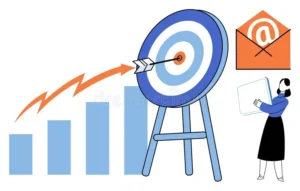
Along with the planning process, businesses should focus on marketing approaches that support long-term growth.
Here are some Effective Marketing Strategies to consider:
- Personalised marketing: Deliver relevant messages based on customer interests and behaviour.
- Video-first content: Use product demonstrations, brand stories, and short-form videos to capture attention.
- Local SEO: Improve visibility among customers searching for nearby products and services.
- Influencer partnerships: Collaborate with relevant creators who connect with your target audience.
- Omnichannel marketing: Maintain consistent communication across websites, social platforms, email, and advertising.
- Conversion optimisation: Improve landing pages, website navigation, and enquiry processes.
These strategies should support your wider Marketing Strategy for 2027 rather than operate as disconnected campaigns.
Why Choose CreativHeads for Your 2027 Marketing Strategy?
A successful strategy needs the right combination of creativity, expertise, and performance analysis. Managing branding, content, advertising, and digital platforms separately can make campaigns inconsistent.
Boost Your Brand with CreativHeads through an integrated approach that connects strategy, creativity, and technology.
CreativHeads offers services across five key areas:
- Identity: Brand strategy, positioning, visual identity, and packaging.
- Socials: Social media management, content creation, and influencer collaborations.
- Studios: Commercial photography, video production, and creative content.
- Performance: SEO, paid advertising, lead generation, and campaign optimization.
- Digital: Website design, development, and e-commerce solutions.
As a strategy-led creative agency, CreativHeads works with businesses to develop customised marketing solutions that support brand visibility, customer engagement, and measurable growth.
Conclusion: Build a Smarter Marketing Plan for 2027
A successful Marketing Plan for 2027 combines clear goals, audience research, creative campaigns, and continuous optimisation. Businesses that connect these elements can build stronger customer relationships and sustainable growth.
CreativHeads, a Leading Digital Marketing Company in India, helps brands turn marketing ideas into measurable results.
Explore our solutions and take the next step towards business growth.
FAQs
Q1. What is a Marketing Plan for 2027?
A. A Marketing Plan for 2027 is a strategic document outlining business goals, target audiences, marketing channels, budgets, and performance measures.
Q2. Why is marketing planning important for businesses?
A. It helps businesses allocate resources effectively, reach suitable customers, improve brand visibility, and measure marketing performance.
Q3. What should a digital marketing plan include?
A. It should include SEO, social media, paid advertising, content marketing, email campaigns, budgets, and measurable objectives.
Q4. How much should a business spend on marketing in 2027?
A. Marketing budgets depend on business size, industry, growth goals, competition, and available resources.
Q5. How can AI improve marketing strategies?
A. AI supports audience research, content planning, personalisation, automation, and campaign performance analysis.